
By: FSB Team
The holiday season is full of distinctive traditions and symbols, such as turkey, candles, pine trees, and (sometimes) snow. Here are some scientific fun facts related to traditions and objects we all love.
1. Why is Thanksgiving Turkey golden brown?
Browning of food such as roast turkey, french fries, or biscuits due to a chemical reaction called the Maillard Reaction. It occurs when amino acids and sugars are heated to around 300 Fahrenheit. The chemical reaction produces complex compounds that, in addition to producing a brown color, gives food distinct flavors and aromas that we all love.
2. What happens when candles burn?
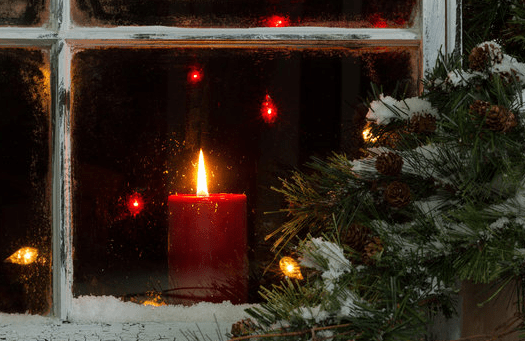
Parafin wax consists of hydrocarbon molecules. When a candle is lit the heat of the flame melts the wax near the wick. This liquid wax is then drawn up the wick where it is vaporized by the flame and hydrocarbons break up into hydrogen and carbon molecules. These molecules react with oxygen creating heat, light, water vapor, and carbon dioxide.
3. How do pinecones form?
Surprisingly, pinecones are a type of woody fruit that contains pine tree seeds. They develop when pollen from male pine flowers fertilizes the egg cells in female pine flowers, whichthen take about a year to develop into mature pinecones. Most pine trees have both male and female flowers on the same tree. In the spring, male flowers or cones grow at the tips of branches; they are smaller and softer than the female flowers which mature into the brown, scaly cones most associated with pine trees. Male cones generally grow on the lower branches of pine trees, and female cones usually grow on the upper branches of pine trees. Pine pollen from the male flowers is distributed by the wind.
4. Why does snow look white?
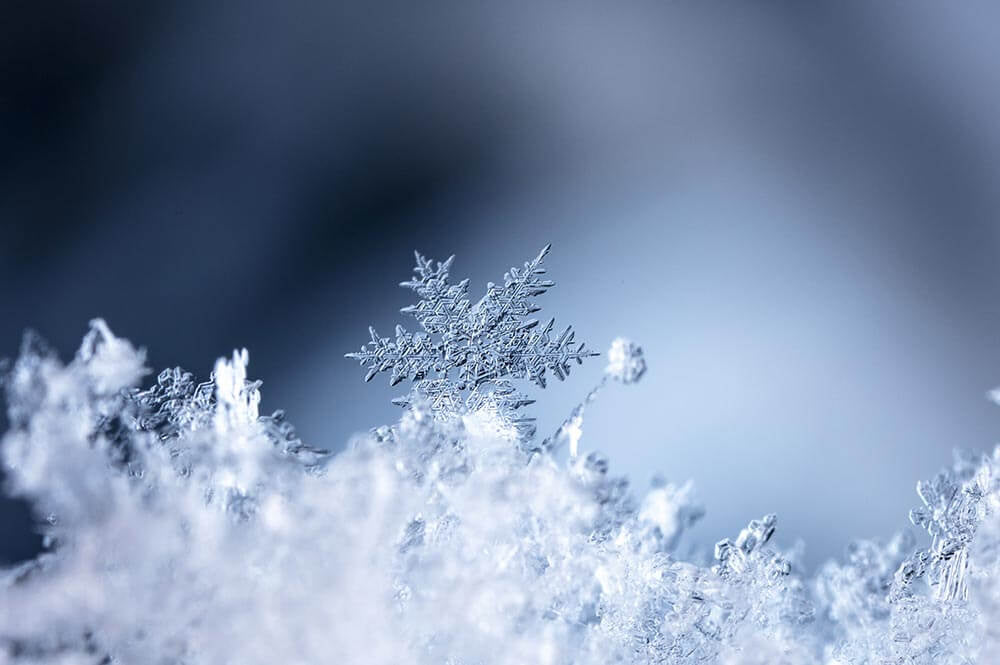
While sunlight looks white to us, it is actually composed of different colors with different wavelengths. An object’s color is determined by the wavelengths of light that it does not absorb, and hence reflects. Clean snow looks white because it reflects back most of thevisible sunlight. On the other hand, dirty snow can take on a whole host of unpleasant colors.
5. Why is the winter solstice the shortest day of the year?
The Earth is tilted 23.5 degrees relative to the sun, so the Northern and Southern Hemispheres receive different amounts of sunlight depending on the time of the year (this causes the seasons!) In the Northern Hemisphere, the winter solstice occurs when the North Pole is at its farthest tilt of 23.5 degrees away from the sun, which causes the area to be plunged into total darkness. While this is going on in the north, the south pole is simultaneously experiencing its summer solstice or the day with the greatest number of daylight hours. This year’s winter solstice will occur on December 21st.
How are reindeer feet adapted to snow and ice?
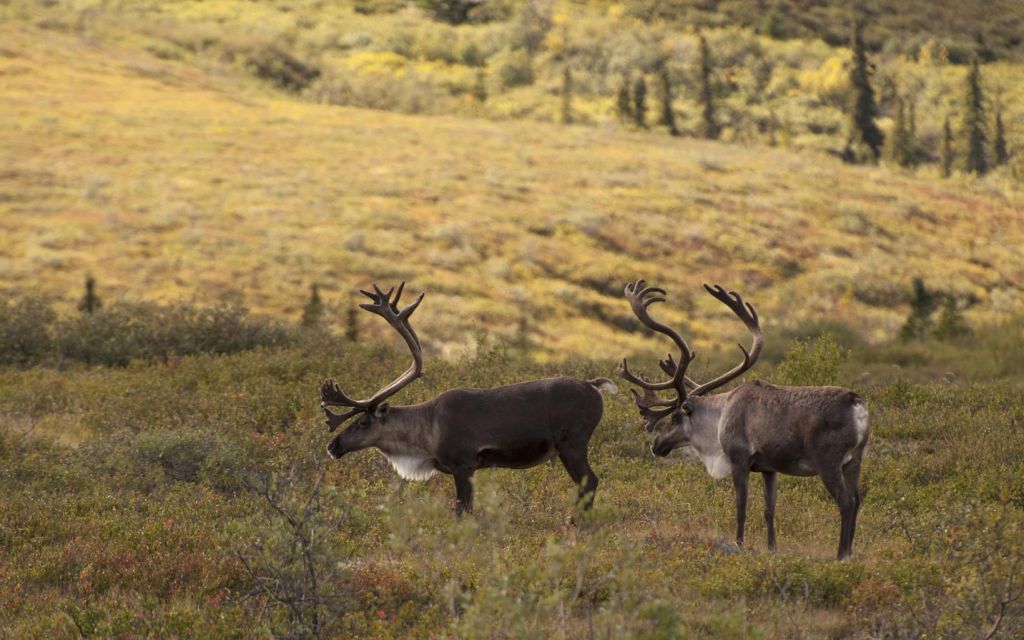
Reindeer (Rangifer tarandus) are a species of deer found in the Arctic tundra, Greenland, Scandinavia, Russia, Alaska, and Canada. (If you’re wondering why you’ve never heard of reindeer in the United States, it is simply because we call them caribou.) While there are a myriad of interesting facts about these animals, one in particular is about their foot adaptations. Their feet are very broad (like snowshoes), which prevents them from sinking into the snow. They also have cloven hoofs and fur on their feet, which acts like treads beneath their hooves. This allows them to move quickly over snow while maintaining a firm grip on slippery and icy surfaces.
Sources:
https://www.chemistrylearner.com/chemical-reactions/maillard-reaction
https://candles.org/candle-science/
https://treevitalize.com/how-do-pine-trees-reproduce/
https://nsidc.org/learn/parts-cryosphere/snow/science-snow
https://www.livescience.com/winter-solstice
https://worlddeer.org/reindeer/
https://www.britannica.com/animal/reindeer
Featured Image Source: Dbackdrop



 The Fieldston Science Bulletin
Leave a comment